6.The story of an Hour
课本页数: 120 作者: Kate Chopin
故事梗概
路易丝的丈夫布伦特里的朋友理查兹带来不幸消息,说布伦特里已在火车事故中不幸身亡。将这一不幸消息告诉路易丝的是她的姐姐约瑟芬。路易丝本来就心脏不好,得知这一不幸时扑到姐姐怀里放声大哭,泪水就像突然降临的暴雨一般。哭过一阵子之后,她独自回到房间,关上门,不让任何人进去。
她疲惫地坐在临窗的一张大扶手椅里,不停地哽咽着。她看到窗外一片春意盎然的景象,空气中透出雨水的气息;她听到街上小贩在叫卖着货物,远处有人在唱歌,无数的麻雀在叽叽喳喳地叫着。
她很年轻,白皙、安详的脸上显露出压抑乃至一种莫名的力量。此时的她目光茫然地注视着蓝天。
有一种感觉向她悄悄袭来,她在恐惧地等待着。她不知道这种感觉是什么,因为它太微妙了,难以言表。后来她渐渐意识到这种感觉究竟是什么,并力图用自己的意志力把它压制下去。但一切努力都是徒劳的。她脱口而出:自由了,自由了。是的,她再也不要屈服于别人的意志了,她可以做自己的主人了。
她有时爱自己的丈夫,但大多数时间她并不爱他。她现在明白了,自由比爱情更令人心旷神怡。她开始憧憬着未来美好的日子——属于自己的日子。最后在姐姐的再三恳求下,她起身打开了门。此时的她,目光有神,脸色红润,显出从未有过的健康。她和姐姐一起下了楼,理查兹正在楼下等着。
这时,有人用钥匙打开了门,进来的不是别人,正是路易丝的丈夫布伦特里。他风尘仆仆,手提旅行包,拿着雨伞。他压根就不知道发生了什么车祸,因此他搞不懂,为什么约瑟芬看到他回来时会那样惊叫,为什么理查兹会那么快地一个箭步上前,试图把他挡住,好让路易丝不要看见他。可是,理查兹的动作稍嫌晚了些,路易丝还是看到了自己的丈夫。
医生赶到时,说路易丝因喜悦过度而死于心脏病。
教师点评
据说这个小小短篇发表后曾引起美国舆论的谴责。理由是作品中的主人公路易丝颇不道德,她在得知丈夫死讯后,非但没有悲痛之情,反而有种前所未有的释放、自由、喜悦之感,好像婚姻是枷锁,已婚妇女的自由要以丈夫的死亡为代价方能换得。在部分批评家看来,小说的这一题旨,无疑从一个侧面反映了小说家肖邦本人的阴暗心理,它挑战着人类传统的家庭婚姻制度,所以常常被认为是不道德的。其实,我们大可不必这样看。从故事的结局看,作者的艺术安排另有一番匠心,我们完全可以从另外一个角度来考察作者的道德立场;我们甚至可以说,这是个非常道德的短篇。毕竟,路易丝后来是不得好死——因喜悦过度,导致心脏病突发而猝死,这就是一个很好的证明。
上课抽人回答问题的题目
1作者想通过这篇文章告诉我们什么?
2lady的内心真实想法(在收到她丈夫的死讯时)?
张佳秋上课提到的文学知识点
irony
suprising ending of story
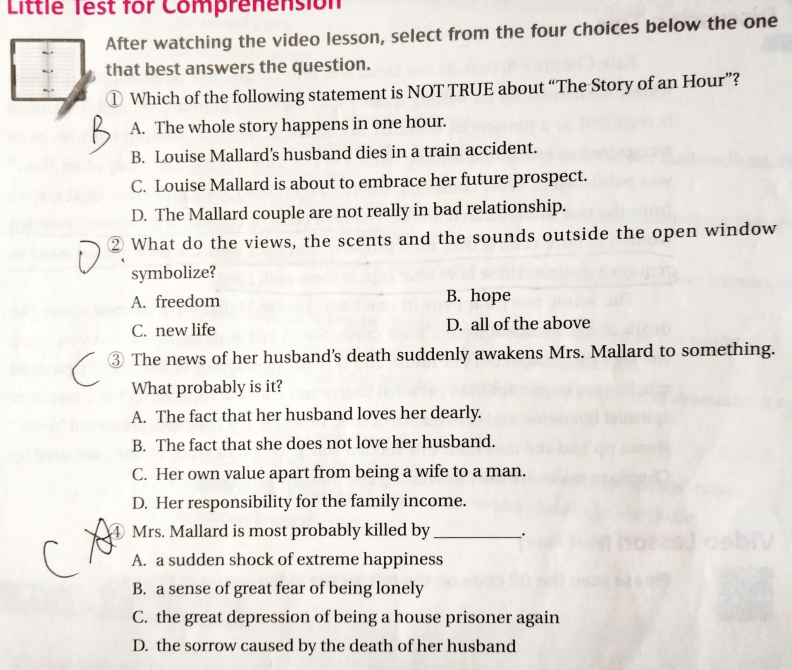
situational irony(情景式反讽 情景反讽是当从你所期望的相反的东西发生。)
this plot could be very suprising out of readers’ expectation.
还有一种 dramatical irony( 指戏剧表演中,雖然觀眾知道一些劇情的發展,但戲中的角色卻不知道的一種反諷形式。readers actually know about the truth but characters in it don’t know very well)
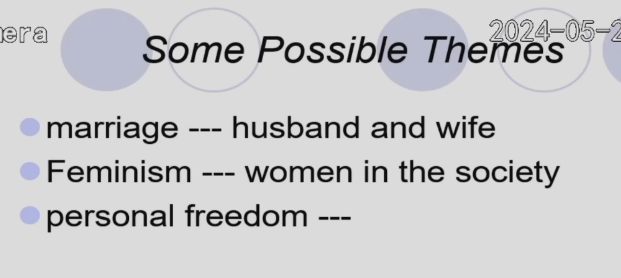
feminism(女性主义 https://zh.wikipedia.org/wiki/女性主義) independent women in society rather than rely on her husband or other men.
即使是结婚的人也有对于personal freedom的需求(demand)
课本124页的discussion tips要阅读一下
正文
1 Knowing that Mrs. Mallard was afflicted with a heart trouble, great care was taken to break to her as gently as possible the news of her husband's death. It was her sister Josephine who told her, in broken sentences; veiled hints that revealed in half concealing. Her husband's friend Richards was there, too, near her. It was he who had been in the newspaper office when intelligence of the railroad disaster was received, with Brently Mallard's name leading the list of "killed." He had only taken the time to assure himself of its truth by a second telegram, and had hastened to forestall any less careful, less tender friend in bearing the sad message.
2 She did not hear the story as many women have heard the same, with a paralyzed inability to accept its significance. She wept at once, with sudden, wild abandonment, in her sister's arms. When the storm of grief had spent itself she went away to her room alone. She would have no one follow her.
3 There stood, facing the open window, a comfortable, roomy armchair. Into this she sank, pressed down by a physical exhaustion that haunted her body and seemed to reach into her soul.
4 She could see in the open square before her house the tops of trees that were all aquiver with the new spring life. The delicious breath of rain was in the air. In the street below a peddler was crying his wares. The notes of a distant song which some one was singing reached her faintly, and countless sparrows were twittering in the eaves.
5 There were patches of blue sky showing here and there through the clouds that had met and piled one above the other in the west facing her window.
对着她的窗的正西方,相逢又相重的朵朵行云之间露出了这儿一片、那儿一片的蓝天。
6 She sat with her head thrown back upon the cushion of the chair, quite motionless, except when a sob came up into her throat and shook her, as a child who has cried itself to sleep continues to sob in its dreams.
7 She was young, with a fair, calm face, whose lines bespoke repression and even a certain strength. But now there was a dull stare in her eyes, whose gaze was fixed away off yonder on one of those patches of blue sky. It was not a glance of reflection, but rather indicated a suspension of intelligent thought.
可是,这会儿她两眼只是呆滞地凝视着远方的一片蓝天,从她的眼光看来她不是在沉思,而像是在理智地思考什么问题,却又尚未做出决定。
8 There was something coming to her and she was waiting for it, fearfully. What was it? She did not know; it was too subtle and elusive to name. But she felt it, creeping out of the sky, reaching toward her through the sounds, the scents, the color that filled the air.
9 Now her bosom rose and fell tumultuously. She was beginning to recognize this thing that was approaching to possess her, and she was striving to beat it back with her will--as powerless as her two white slender hands would have been. When she abandoned herself a little whispered word escaped her slightly parted lips. She said it over and over under hte breath: "free, free, free!" The vacant stare and the look of terror that had followed it went from her eyes. They stayed keen and bright. Her pulses beat fast, and the coursing blood warmed and relaxed every inch of her body.
10 She did not stop to ask if it were or were not a monstrous joy that held her. A clear and exalted perception enabled her to dismiss the suggestion as trivial. She knew that she would weep again when she saw the kind, tender hands folded in death; the face that had never looked save with love upon her, fixed and gray and dead. But she saw beyond that bitter moment a long procession of years to come that would belong to her absolutely. And she opened and spread her arms out to them in welcome. 她张开双臂欢迎这岁月的到来
11 There would be no one to live for during those coming years; she would live for herself. There would be no powerful will bending hers in that blind persistence with which men and women believe they have a right to impose a private will upon a fellow-creature. A kind intention or a cruel intention made the act seem no less a crime as she looked upon it in that brief moment of illumination.
在她目前心智特别清明的一刻里,她看清楚:促成这种行为的动机无论是出于善意还是出于恶意,这种行为本身都是有罪的。
12 And yet she had loved him--sometimes. Often she had not. What did it matter! What could love, the unsolved mystery, count for in the face of this possession of self-assertion which she suddenly recognized as the strongest impulse of her being!
13 "Free! Body and soul free!" she kept whispering.
14 Josephine was kneeling before the closed door with her lips to the keyhold, imploring for admission. "Louise, open the door! I beg; open the door--you will make yourself ill. What are you doing, Louise? For heaven's sake open the door."
15 "Go away. I am not making myself ill." No; she was drinking in a very elixir of life through that open window.
她正透过那扇开着的窗子畅饮那真正的长生不老药呢
16 Her fancy was running riot along those days ahead of her. Spring days, and summer days, and all sorts of days that would be her own. She breathed a quick prayer that life might be long. It was only yesterday she had thought with a shudder that life might be long.
17 She arose at length and opened the door to her sister's importunities. There was a feverish triumph in her eyes, and she carried herself unwittingly like a goddess of Victory. She clasped her sister's waist, and together they descended the stairs. Richards stood waiting for them at the bottom.
18 Some one was opening the front door with a latchkey. It was Brently Mallard who entered, a little travel-stained, composedly carrying his grip-sack and umbrella. He had been far from the scene of the accident, and did not even know there had been one. He stood amazed at Josephine's piercing cry; at Richards' quick motion to screen him from the view of his wife.
When the doctors came they said she had died of heart disease--of the joy that kills.
说她是因为极度高兴致死的
分析1
大家都知道马拉德夫人的心脏有毛病,所以在把她丈夫的死讯告诉她时是非常注意方式方法的。是她的姐姐朱赛芬告诉她的,话都没说成句,吞吞吐吐、遮遮掩掩地暗示着。她丈夫的朋友理查德也在她身边。 要是别的妇女遇到这种情况,一定是手足无措,无法接受现实,她可不是这样。她立刻一下子倒在姐姐的怀里,放声大哭起来。当暴风雨般的悲伤逐渐减弱时,她就独自走向自己的房里,不要人跟着她。 正对着打开的窗户,放着一把舒适、宽大的安乐椅。全身的精疲力竭,似乎已浸透到她的心灵深处,她一屁股坐了下来。 她能看到房前场地上洋溢着初春活力的轻轻摇曳着的树梢。空气里充满了阵雨的芳香。下面街上有个小贩在吆喝着他的货色。远处传来了什么人的微弱歌声;屋檐下,数不清的麻雀在嘁嘁喳喳地叫。对着她的窗的正西方,相逢又相重的朵朵行云之间露出了这儿一片、那儿一片的蓝天。 她坐在那里,头靠着软垫,一动也不动,嗓子眼里偶而啜泣一两声。她还年轻,美丽,沉着的面孔出现的线条,说明了一种相当的抑制能力。可是,这会儿她两眼只是呆滞地凝视着远方的一片蓝天,从她的眼光看来她不是在沉思,而像是在理智地思考什么问题,却又尚未做出决定。什么东西正向她走来,她等待着,又有点害怕。那是什么呢?她不知道,太微妙难解了,可是能感觉得出来。这会儿,她的胸口激动地起伏着。她开始认出来那正向她逼近、就要占有她的东西,她挣扎着决心把它打回去——可是她的意志就像她那白皙纤弱的双手一样软弱无力。当她放松自己时,从微弱的嘴唇间溜出了悄悄的声音。她一遍又一遍地低声悄语:“自由了,自由了,自由了!”她的目光明亮而锋利,她的脉搏加快了,循环中的血液使她全身感到温暖、松快。 她知道,等她见到死者那张一向含情脉脉地望着她、如今已是僵硬、灰暗、毫无生气的脸庞时,她还是会哭的。不过她透过那痛苦的时刻看到,来日方长的岁月可就完全属于她了。她张开双臂欢迎这岁月的到来。在那即将到来的岁月里,没有人会替她做主;她将独立生活。再不会有强烈的意志而迫使她屈从了,多古怪,居然有人相信,盲目而执拗地相信,自己有权把自己的意志强加于别人。在她目前心智特别清明的一刻里,她看清楚:促成这种行为的动机无论是出于善意还是出于恶意,这种行为本身都是有罪的。 当然,她是爱过他的——有时候是爱他的,但经常是不爱他的。那又有什么关系!有了独立的意志,爱情这未有答案的神秘事物,又算得了什么呢!“自由了!身心自由了!”她悄悄低语。 朱赛芬跪在关着的门外,苦苦哀求让她进去。“露易丝,你干什么哪?看在上帝的份儿上,开开门吧!”“去吧,我没事。”她正透过那扇开着的窗子畅饮那真正的长生不老药呢,在纵情地幻想未来的自由美好岁月,春天,还有夏天以及所有各种时光都将为她自己所有。她终于站了起来,在她姐姐的强求下,打开了门。她眼睛里充满了胜利的激情,搂着姐姐的腰,一齐下楼去了。 有人在用弹簧锁钥匙开大门。进来的是布兰特雷•马拉德,略显旅途劳顿,但泰然自若地提着他的大旅行包和伞。他不但没有在发生事故的地方呆过,而且连出了什么事也不知道。他站在那儿,大为吃惊地听见了朱赛芬刺耳的尖叫声;看见了理查德急忙在他妻子面前遮挡着他的快速动作。不过,理查德已经太晚了。 医生来后,他们说她是死于心脏病——说她是因为极度高兴致死的
分析2
本篇文章我将给大家分析一下,Kate Chopin写的一篇短文故事,也是很多人上文学课时期都会分析的一部作品,文章并不长,但是能分析的点其实还挺多。
这篇短文整个时间线就只有一个小时,从主人公Mrs. Mallard或者说Louise听到她丈夫离世的消息到她看到丈夫的突然出现却因心脏病突发而离世。这里我单独把Mrs. Mallard和Louise作为区分,也是想谈谈名字的更改对主人公心境的影响。
分析一个小说,最重要的还是从文学的六要素来谈,这样既方便理解,也方便大家去分析其他文学作品。 plot(情节), setting(场景), character(人物), point-of-view(观点), theme(主题), and tone(风格). 相信大家对这些词已经不陌生了。如果要问这六个元素,什么时候最重要的?毫无疑问是主题,主题就像是一把钥匙,帮助你理解其他的五要素。其次、主题也是作者写这篇小说的原因。爱与恨、正义与邪恶、成长,这些主题都是我们经常会去描写的。那这篇文章要表达的主题究竟是什么?从我的理解来讲可以概括为两个字,自由。这里的自由指的是能否自己决定自己未来的自由。
从时间线来看,这本小说的时间线在美国19世纪中叶到19世纪末左右。如果稍微理解美国历史的人应该马上可以理解,在当时的美国,女人的地位可能几乎只能比当时的黑人要高。女人无法像今天一样工作、接受教育、甚至连避孕的自由也没有。美国一直以来都是一个男权主导的社会,虽然在20世纪末女性的社会地位有了很大的改变,但是直到今天的美国社会,男女性别的不平等带来的社会问题还是人们一直讨论的话题。
回到小说,小说以第三视角简单地交代了主人公Louise患有心脏病,却只字未提她心脏病的具体情况,所以Louise最后到底因为什么而死也是一个值得深思的问题。在得知丈夫去世的消息时,Louise表现得反而比较淡定,直到回到了房间之后。这边我们要注意一个点,她的房间在二楼,她听到这个消息的时候是在一楼。这上楼下楼的过程中是否也是暗示着其他的事物呢?读完整篇文章,我认为作者这里的设定很有意思,看上去是一个简单的上楼,但是其实是在在暗示女主从升华到陨落的过程。躲在自己房间里的一个小时,女主思绪万千,作者也多次提到了窗外的场景。春天这个季节的提到尤为重要,试问各位,提到春天大家会联想到什么呢?万物复苏、成长、唤醒、苏醒、冲刷掉冬天的雪。这里的描写即是女主看到的,也是女主心理变化的一个过程。
比如:
She could see in the open square before her house the tops of trees that were all aquiver with the new spring life. ( 她可以看到在她家门前的空旷广场上,树梢都因春天的新生命而颤抖着。)

The delicious breath of rain was in the air. ( 空气中弥漫着美味的雨水气息。)

The notes of a distant song which some one was singing reached her faintly, and countless sparrows were twittering in the eaves. (一首来自远方的音乐音符隐隐约约地走到了她的面前,无数麻雀在里面叽叽喳喳檐。)

作者的高明之处就在于这三处景看上去是随意的环境描写,实际上是女主从无到有的一个过程。春天即使万物的成长,万物的苏醒。那颗渴望自由的种子在女主心中慢慢成长,这里雨水洗刷掉则是传统文化对女主的禁锢,这里小鸟即代表了女主的心情。试问,提到唱歌大家会想到的是正面的还是负面的心情?毫无疑问,大部分人因为快乐而歌颂。Louise并不是一个传统的女人,她看向的窗外想起的并不是她的丈夫,而是心中的自由被唤醒,她,第一次体验到了自由带来的喜悦。
可是,她能抓住这个本该属于她的自由吗?
就如同文中所提到的,
as powerless as her two white slender hands would have been. ( 就像她两只白皙纤细的手一样无力。)

但是,在这个房间,这个瞬间,女主还是情不自禁地喊起了那三个字 free, free, free!
女主爱男主吗?文中其实也有提到,有时候,但是不全是。但是此刻,比起爱,自我独立带来的喜悦远比爱情更重要。Self-assertion可以算是这篇小说的核心。女主可以自己做决定吗?事实不禁让女主产生一丝退缩。但是当享受过自由带来的快乐,还会愿意回到过去那种被束缚的生活吗?女主显然不会再退缩,也不需要退缩。
正当女主沉浸在追求自己的世界中,门外的姐姐Josephine打破这场美梦。回到现实对于某些人来说是可怕的,谁不想活在自己打造的完美世界里呢,现实生活有那么多的束缚。

最后女主在姐姐的搀扶下走下了楼,这里也可以理解为从天堂的憧憬来到地狱般的人间。下楼后,女主便看到完好无损的丈夫。女人此时对自由的憧憬也在此时破碎了,女人是痛苦地死去吗?我不这么认为,文章也提到了,女人是过度的快乐而死,这跟中国的乐极生悲的概念十分相似。有趣的是,小说中有提到女主是 A goddess of Victory(胜利女神),但是胜利女神只属于二楼,回到一楼的女主只是普通的Louise。 胜利女神到底指的是什么?我想是独立、自我、和反抗。然而当期待与事实不符,女神也只能回到属于她的天堂。

这篇小说是美国很多大学必读的一篇课文,现在回过头来看看整篇课文,作者想传递的到底是什么?除了自由之外,还有对女性社会不公的呐喊。虽然是一个悲剧,但是也侧面反映出来上层社会女性的无力。当一个人无法解决温饱问题的时候,精神追求是不存在的。当你不在为钱而烦恼的时候,精神追求就成了大部分有钱人的目标。一个的上层阶级的女人在当时虽不用为生活去奔波,但是却被传统的社会价值观所限制。看上去生活美满,实际上连做决定的权利都没有。最后来谈谈名字,Mrs. Mallard其实并不是她真实的自己,她只是Mallard丈夫的附属品,甚至可以理解为一个东西,而在女主觉醒后,姐姐喊的Louise才是她自己,那个对生活有了期盼、对未来有憧憬的女人。当丈夫去世后,Mrs. Mallard也失去它名字原本的意义,Louise不再是谁的附庸品,她可以为自己而活。

女性的压迫史可以从人类诞生那一刻开始讲起,无数的文学作品都有谈到,也许今天我们生活的社会,男女看上去已经很平等,但是还有数千万的女性身处不同国家,依然还在被压迫着。正是文学作品的记录,才让我们知道今天的社会有多么来之不易。

Discussion Tips
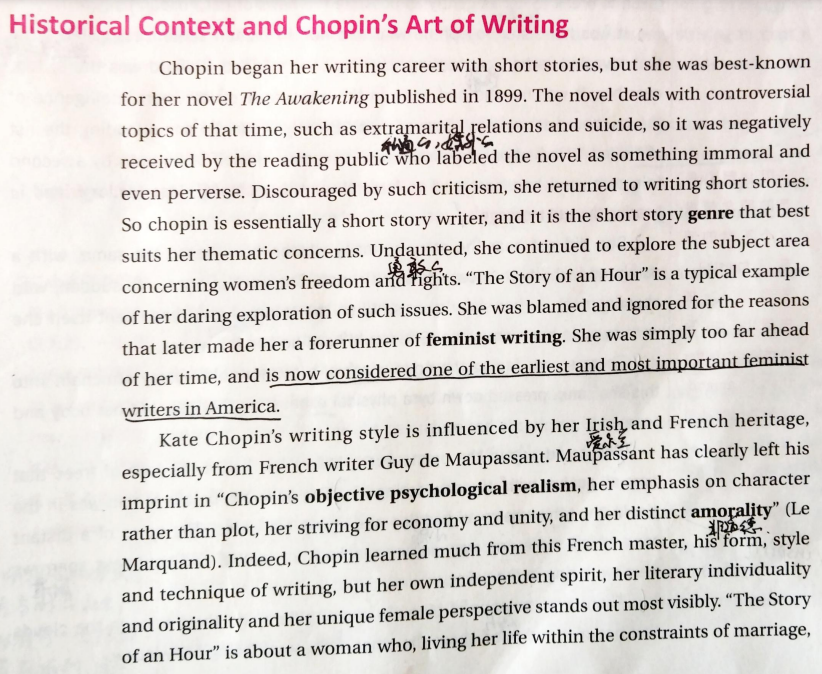
Kate Chopin's fiction, at her time, was often negatively received, but it is now widely acclaimed for its writing quality and thematic importance, and the author is regarded as a pioneer of feminist literature in America. Chopin has also been recognized as one of the leading writers of her time. When "The Story of an Hour" was published in 1894, Louisiana, where Chopin lived, had a different legal system from the rest of the United States. The civil code of Louisiana disallowed married women to have control over their property, and men were the only ones allowed to request a divorce. These laws were kept in force until 1980.
The whole story happens in one hour. Louise Mallard has learned about the death of her husband from a train crash. She is sad and despaired; but very soon she sees the prospect of her future and is ready to embrace it. She sees freedom as much more important than personal liberty and material security, and as a matter of spiritual liberation and deliverance of soul. However, her husband, presumed "dead," shows up and she dies from this sudden shock. Different types of irony are used by Chopin to make the story interesting and thought-provoking.
yf的资料
The Story of an Hour
"The Story of an Hour" by Kate Chopin is a short story that was first published in 1894. It's a vivid portrayal of a woman's mixed emotions upon learning of her husband's death and then discovering that he is actually alive. This story is known for its exploration of the themes of freedom, identity, marriage, and the constraints of society on women during the late 19th century.
"The Story of an Hour" is often praised for its concise and powerful use of language to convey complex emotions and societal critiques. It's considered a significant piece of early feminist literature, highlighting the oppressive nature of marriage for women during that era. The story is a poignant reflection on the internal struggles that women faced, and it continues to be relevant and studied in literature classes today.
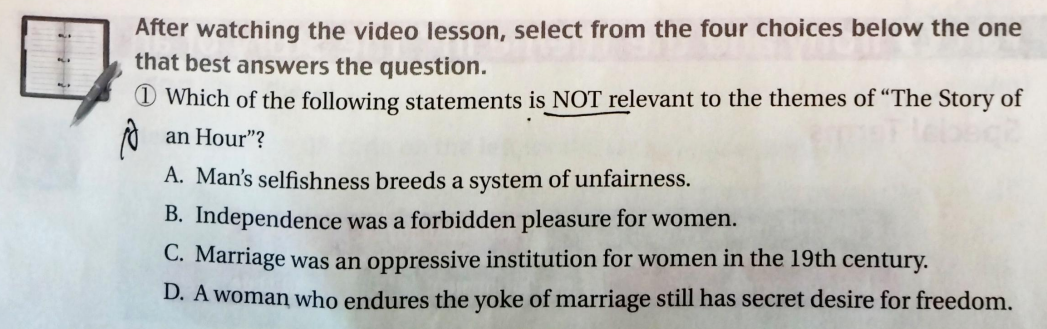
The themes of "The Story of an Hour" by Kate Chopin intertwine deeply with the element of irony, creating a poignant and thought-provoking narrative. The key themes include:
- *The Repressive Nature of Marriage*: The story explores how marriage, in the 19th century, could be repressive, especially for women. Louise Mallard feels a sense of relief at the news of her husband's death, revealing how constrained she felt in her marriage.
- *The Desire for Freedom and Independence*: Louise's reaction to her husband's death underscores her deep desire for personal freedom and independence. Her initial grief quickly transforms into a sense of liberation, suggesting her marriage was a significant impediment to her sense of self.
The use of irony in the story enhances these themes:
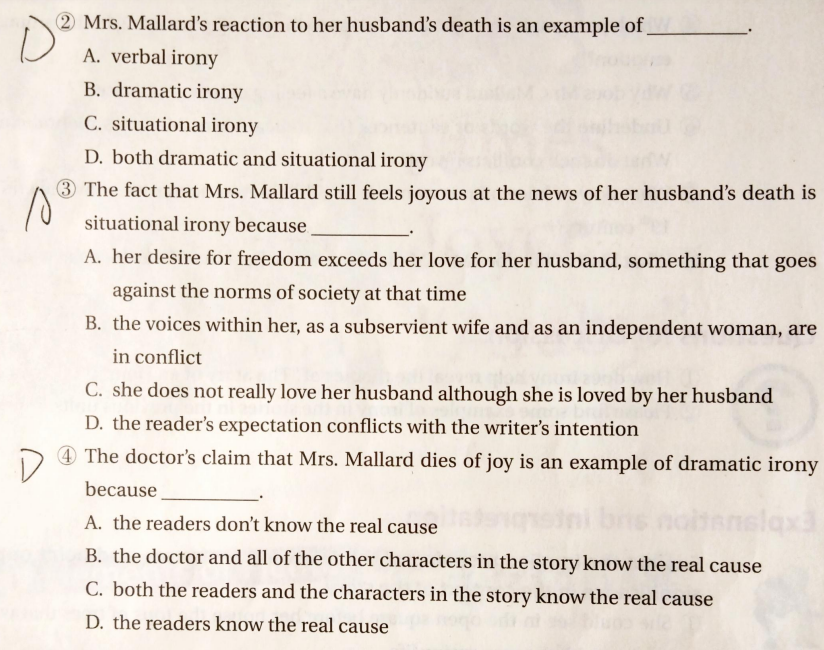
- *Situational Irony*: The most striking irony in the story is situational. Louise dies from the shock of seeing her husband alive, not from grief, as the characters in the story believe. This is ironic because her freedom and independence are short-lived; she achieves true freedom only in death.
- *Dramatic Irony*: The readers are aware of Louise’s true feelings about her husband’s death, but the other characters are not. This creates a layer of dramatic irony, especially in the reaction of those around her who mistakenly believe she is devastated by her husband’s death.
- *Irony in the Conclusion*: The doctors' conclusion that she died of "joy that kills" is deeply ironic. The audience understands that it was not joy but the loss of her newfound freedom that led to her death.
Overall, Chopin uses irony to underscore the contradictions between society's expectations for women and their inner lives, as well as the ironic twists that life can take. This use of irony not only deepens the impact of the story's themes but also critiques the societal norms of the time.